
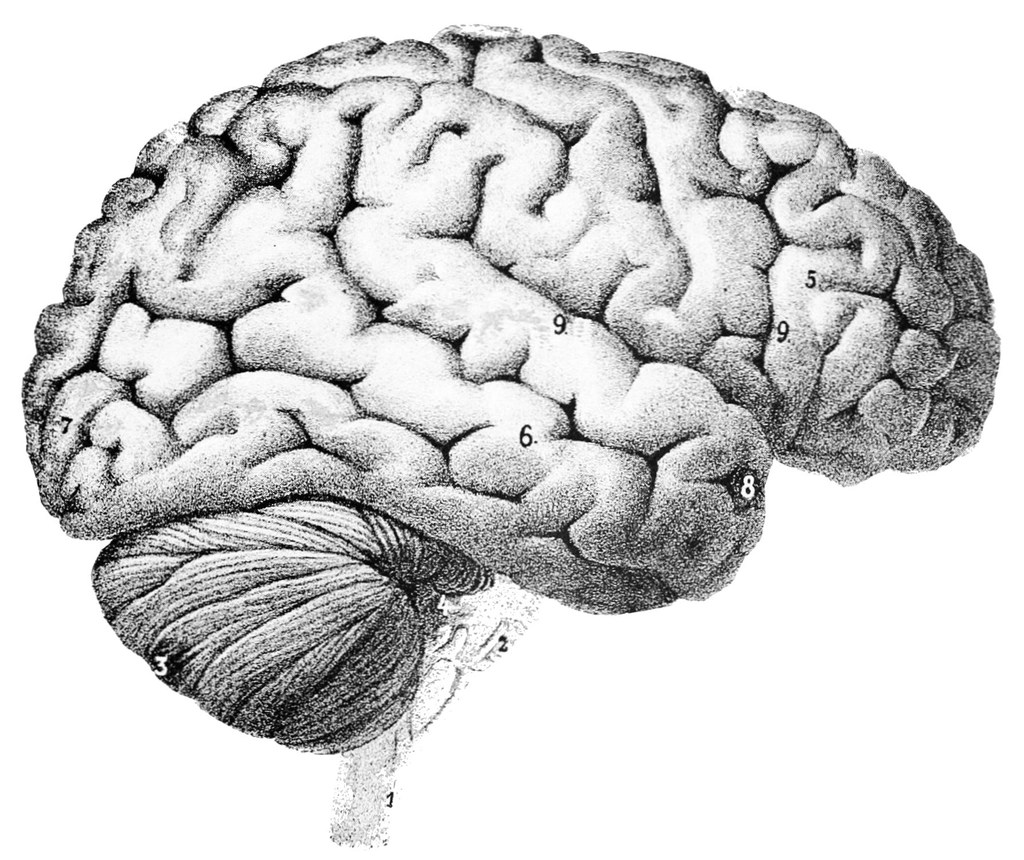
Our operative system is based on the atomic system, and we function as a byproduct of this design.
As long as I can remember I was intrigued by the idea of proclaimed limitations and imposed labels. Being fortunate enough to be curious by nature I would always challenge such belief of “this is how I was programmed therefor this is who I am,” or “I/people don’t change.” This concept and way of thinking makes me feel tense and there is more to it then what this article will cover so therefor the purpose of this article is to touch on simple idea of getting comfortable with the idea of iterative and evolutionary change.
Whether we intentionally pursue a personal growth journey or not, each and everyone of us undergoes some sort of “change,” that are driven by experiences and circumstances (if we allow circumstances to be the cause.) I remember my Dad conveying the idea when I was a kid that at the end of the day we are functioning based on a prescribed operative system, or the way he put it “mother board.” Even at a young age, I questioned the rigidness of the unpenetratable “mother board” idea.
Whilst being on my own life journey and as of recently deep rediscovery journey I have learned methods and strategies on how to rewire ourselves from an atom to an organism.
The phrase “operative system is based on the atomic system” is metaphorical and abstract. It suggests that the way we or a system operates is fundamentally flexible and adaptable, similar to how atoms and molecules can rearrange and form different structures. This metaphor implies that just as atoms can reconfigure, so too can individuals, organizations, or systems change and adapt over time.
The use of “byproduct of this design” suggests that our behaviors or outcomes are a result of this inherent flexibility and adaptability. Conveying the idea of adaptability and change being integral to the nature of the system being described. Given this insight I have applied the concept of the “atomic system” to company, or brand growth that can be interpreted metaphorically, drawing parallels between the principles of atomic structures in physics and the dynamics of growth and development.
Here’s how this analogy might work for a business, or brand:
1. Building Blocks (Atoms):
Just as atoms are the fundamental building blocks of matter, basic skills, values, or core business practices can be seen as the foundational elements of individual or organizational growth. For a company or brand, these could include customer service, customer experience, product quality, or innovation.
2. Complex Structures (Molecules):
Atoms combine to form molecules, just as skills and practices combine to create more complex systems and strategies. In a business, this could mean combining marketing, product development, and customer feedback to develop a new product line.
3. Energy and Reactions:
In atomic theory, reactions release or absorb energy. Similarly, in business growth, certain actions or changes can lead to significant growth (release of energy) or setbacks (absorption of energy). For example, a successful marketing campaign can lead to a surge in business growth, much like an exothermic reaction releases energy.
4. Stability and Change:
Atoms seek stable configurations, but they can also change under the right conditions. This is akin to companies that may seek stability but must also be adaptable and open to change to evolve and grow. A business, for instance, must adapt to market changes and human behavior to remain relevant.
5. Bonding and Relationships:
Just as atoms form bonds to create molecules, relationships and networks are crucial for personal and business growth. Strong, positive relationships with customers, employees, and partners can be pivotal for a company’s success.
Conclusion:
By using this atomic system metaphor, individuals and organizations can conceptualize their growth strategies in a structured yet dynamic way, understanding the importance of foundational elements, complex interactions, adaptability, and relationships in achieving sustainable growth and development.
Here’s how this idea can be elaborated for personal growth:
Expanding on the idea of personal growth and transformation through the metaphor of evolving from an atom to an organism, your journey of deep rediscovery and learning methods to rewire the brain and mind can be seen as a process of complexification and development, much like the evolution from simple atomic structures to complex organisms.
1. Understanding the Basics (Atom Stage):
Just as atoms are the fundamental building blocks of matter, the initial stages of personal growth involve understanding the basic elements of oneself. This includes recognizing inherent traits, behaviors, and thought patterns. During your journey, you might have started by identifying core beliefs, emotions, and habitual responses that shape your daily life.
2. Forming Complex Structures (Molecule Stage):
As atoms bond to form molecules, you begin to combine these basic elements of self-understanding to form more complex insights. This could involve recognizing how certain beliefs influence emotions, which in turn affect behaviors. In your journey, this might have involved learning how to interrupt negative thought patterns and replace them with more positive, constructive ones.
3. Building Systems (Cell Stage):
Cells are more complex than molecules and represent a significant leap in complexity. In your journey, this could equate to developing new habits and mindsets that are more adaptive and beneficial. It involves integrating various methods and strategies into a cohesive system that promotes continuous personal growth, much like how cells coordinate complex life processes.
4. Forming Organisms (Integration and Complexity):
The leap from cells to organisms in nature is vast and involves a high level of integration and complexity. In your personal journey, this represents the stage where the changes and strategies you’ve adopted start to manifest as significant transformations in your life. You begin to operate not just as a collection of improved habits and thoughts but as a fully integrated, evolved individual. This might manifest as improved relationships, greater career success, or a more profound sense of inner peace and purpose.
5. Adaptation and Evolution (Continuous Growth):
Just as organisms adapt to their environment, this stage involves adapting and refining your strategies and methods to ensure continuous growth. It recognizes that personal development is an ongoing process, much like evolution, where you continually adapt to new challenges and environments, learning and growing from each experience.
6. Impact on the Ecosystem (Influence and Contribution):
Finally, just like an organism impacts its ecosystem, your personal growth journey allows you to positively influence those around you. Your transformation can inspire and help others, contributing to a larger network of growth and development. This stage is about recognizing and embracing your role in the broader context of your community, society, or even humanity.
Conclusion
In conclusion, your journey of deep rediscovery and learning to rewire the brain and mind is akin to an evolutionary process, moving from understanding the basic ‘atoms’ of your being to becoming a complex, integrated ‘organism’ capable of continuous growth and positive impact.

 The Conscious Writer
Leave a comment